DELAWARE COUNTY, PA – June 22, 2026 – Friday, June 19, was a day of celebration and reflection across Delaware County as residents gathered to honor Juneteenth — the commemoration of the end of slavery in the United States — with ceremonies, performances, educational programs, and cultural events.
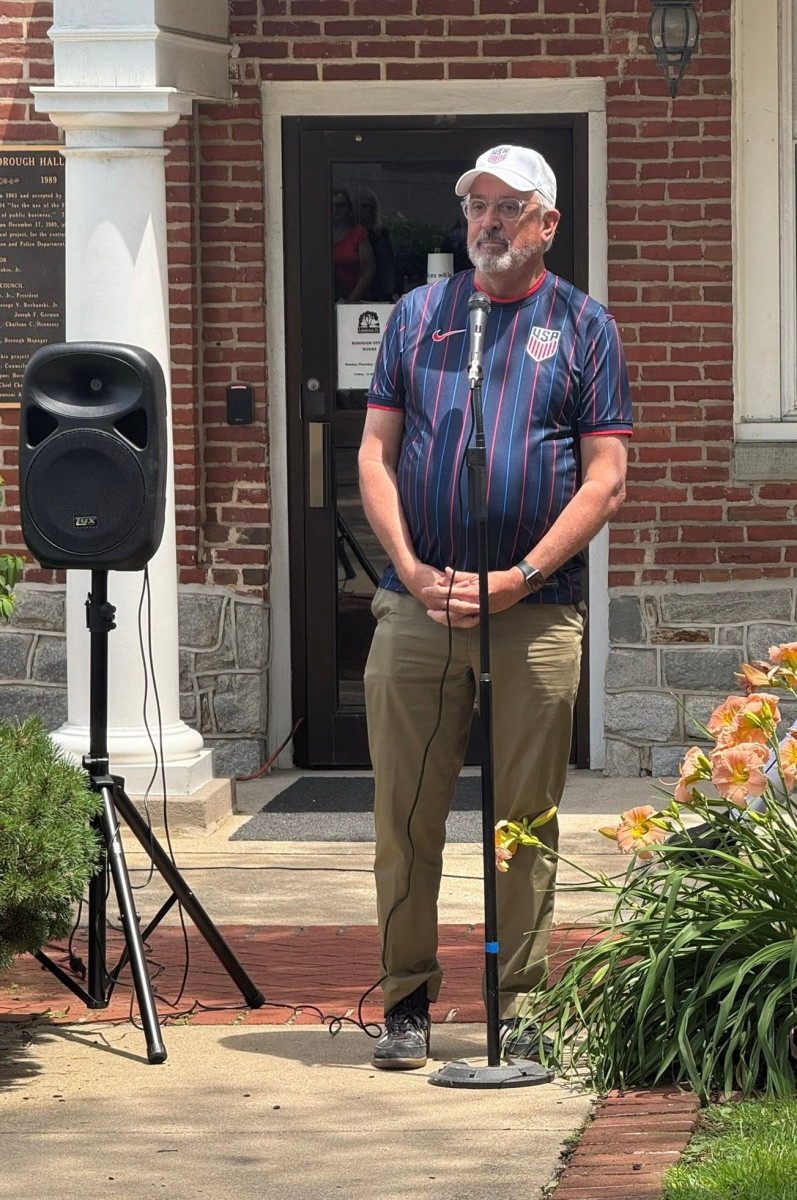
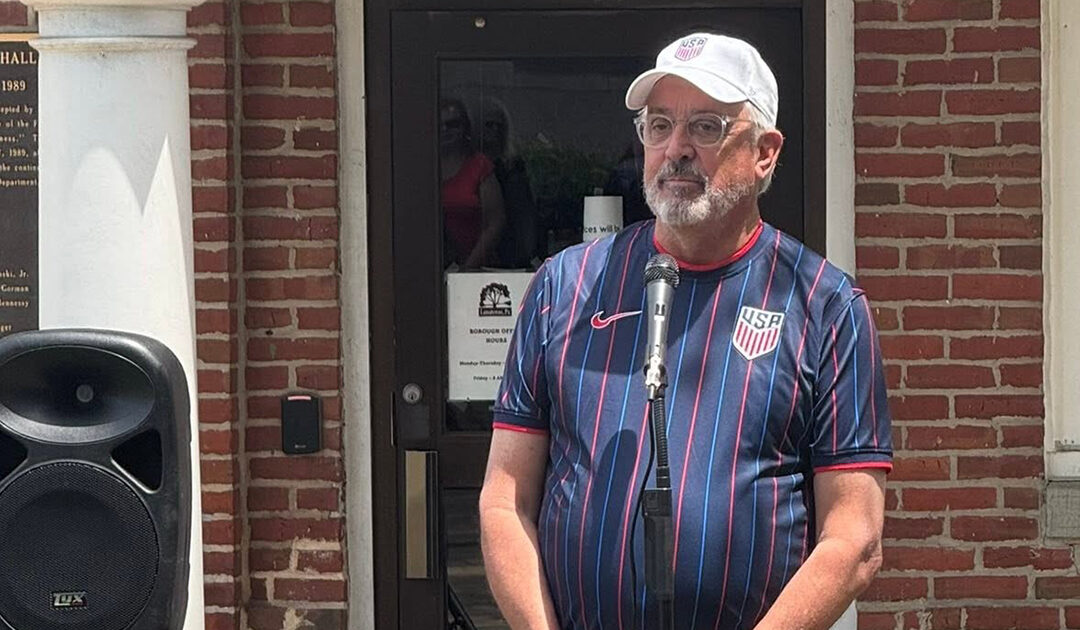
I attended several of these gatherings throughout the district and was honored to speak at several events, reflecting on the meaning of freedom and addressing the ongoing work of building a more just and equitable future for all members of our communities while remaining vigilant against those who seek to reverse the progress generations have fought to secure.
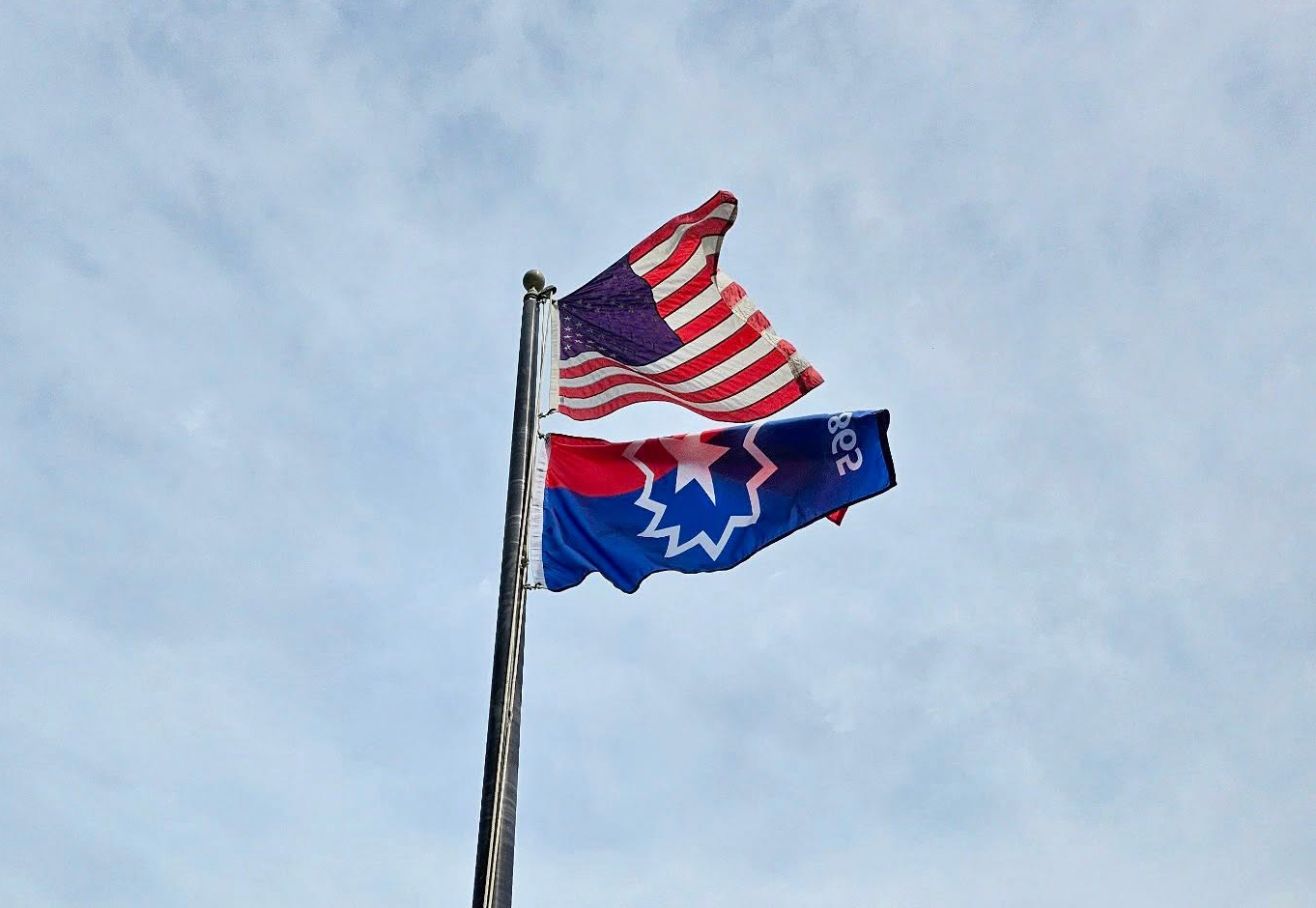
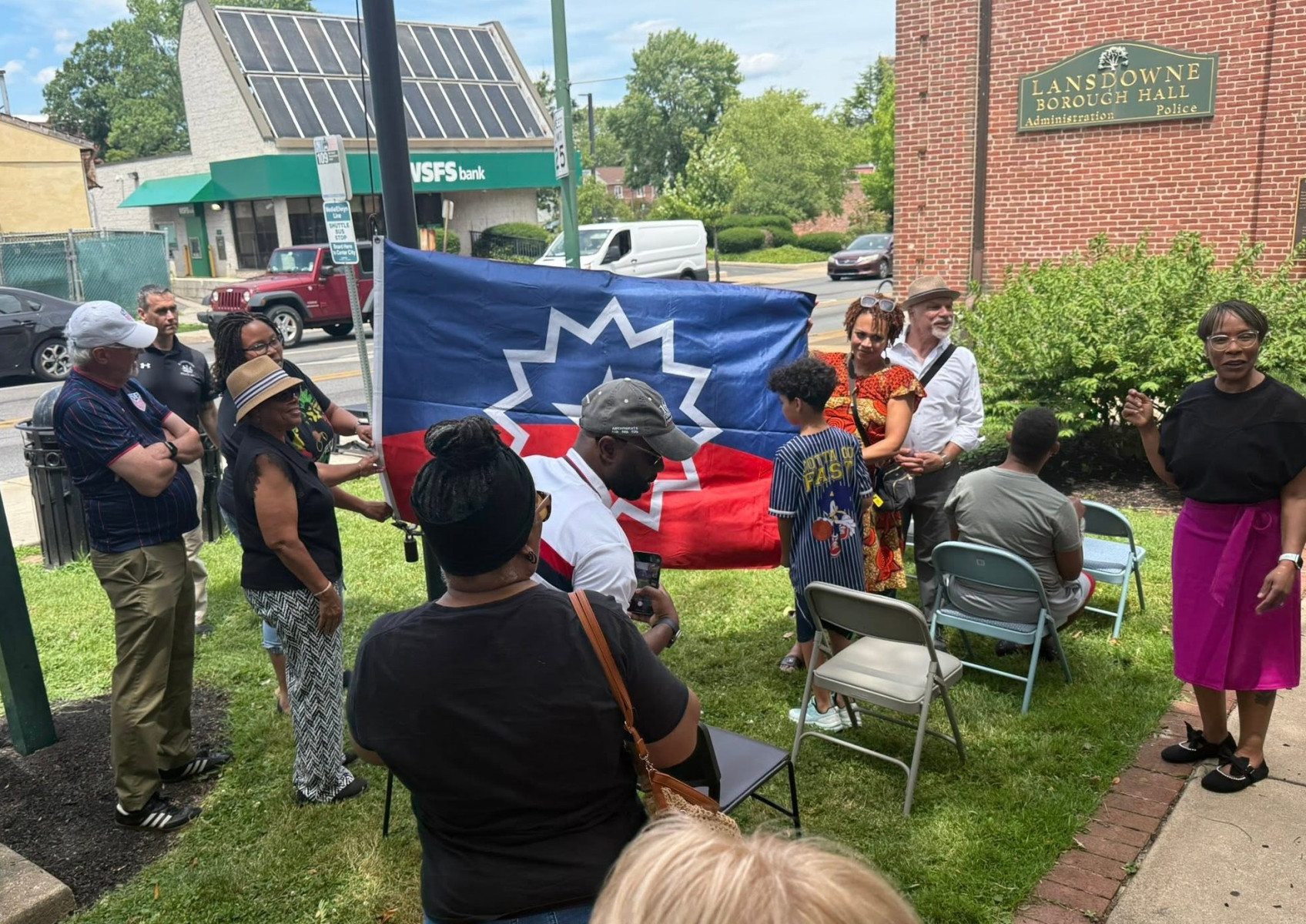
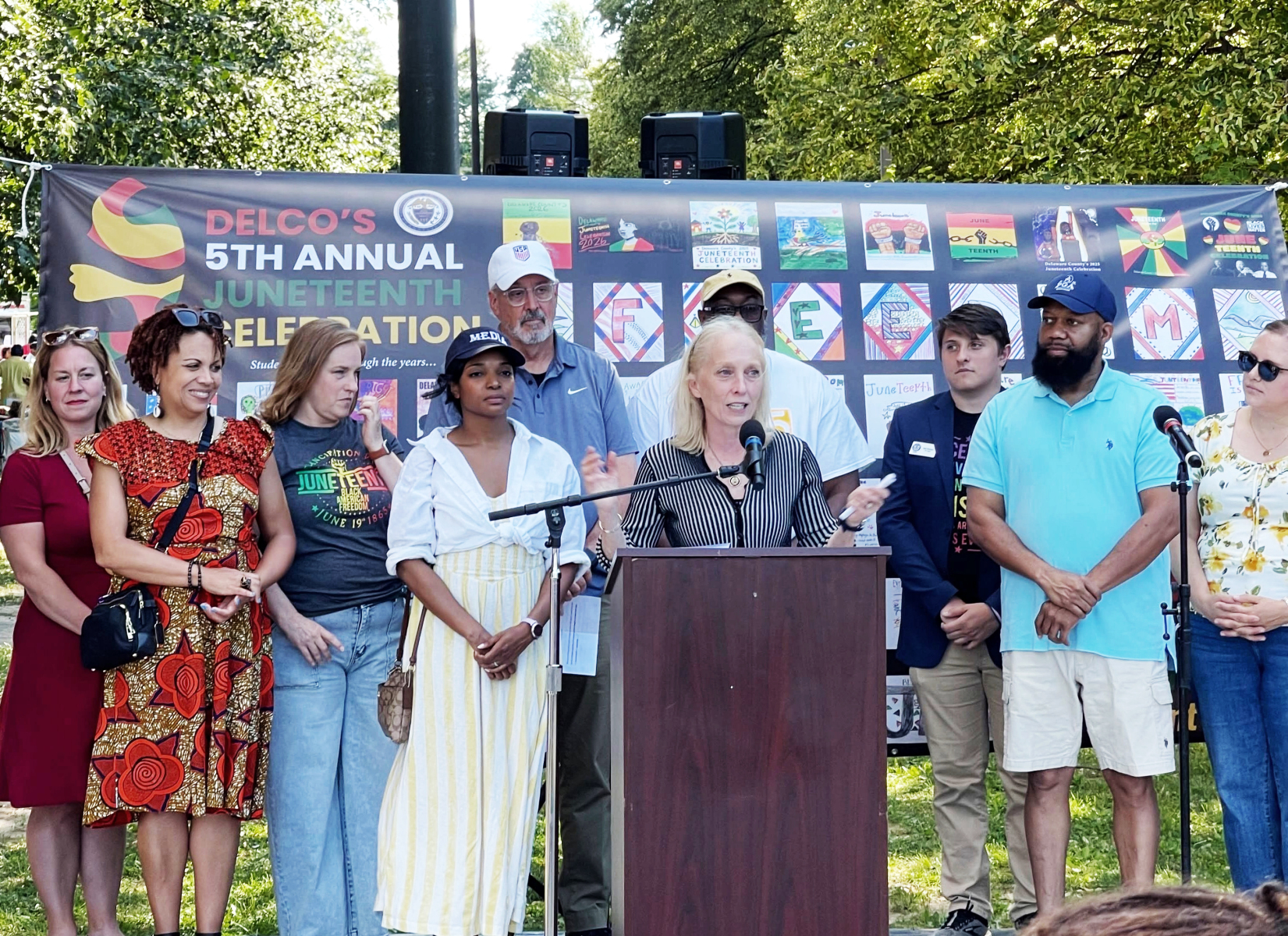
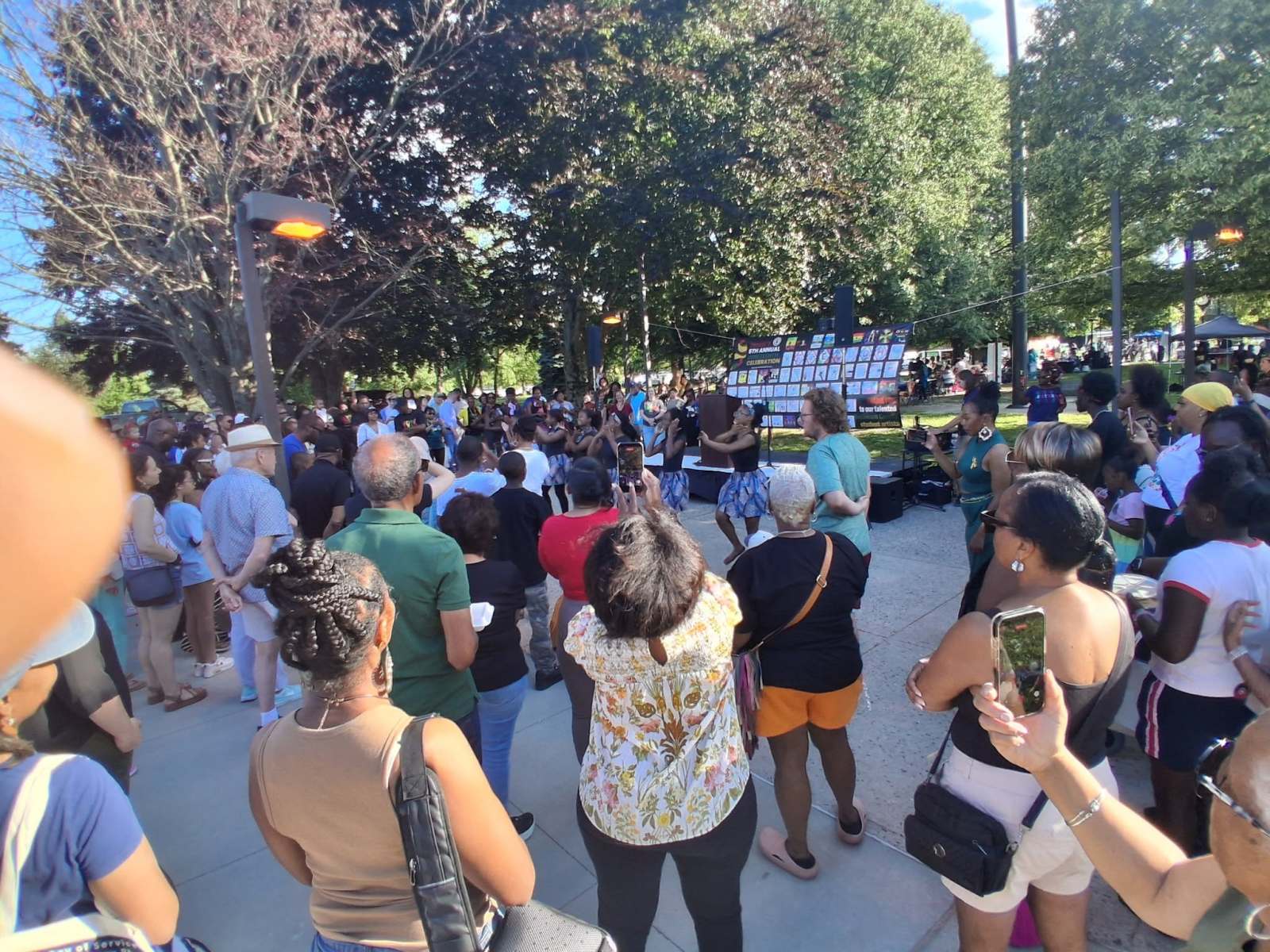
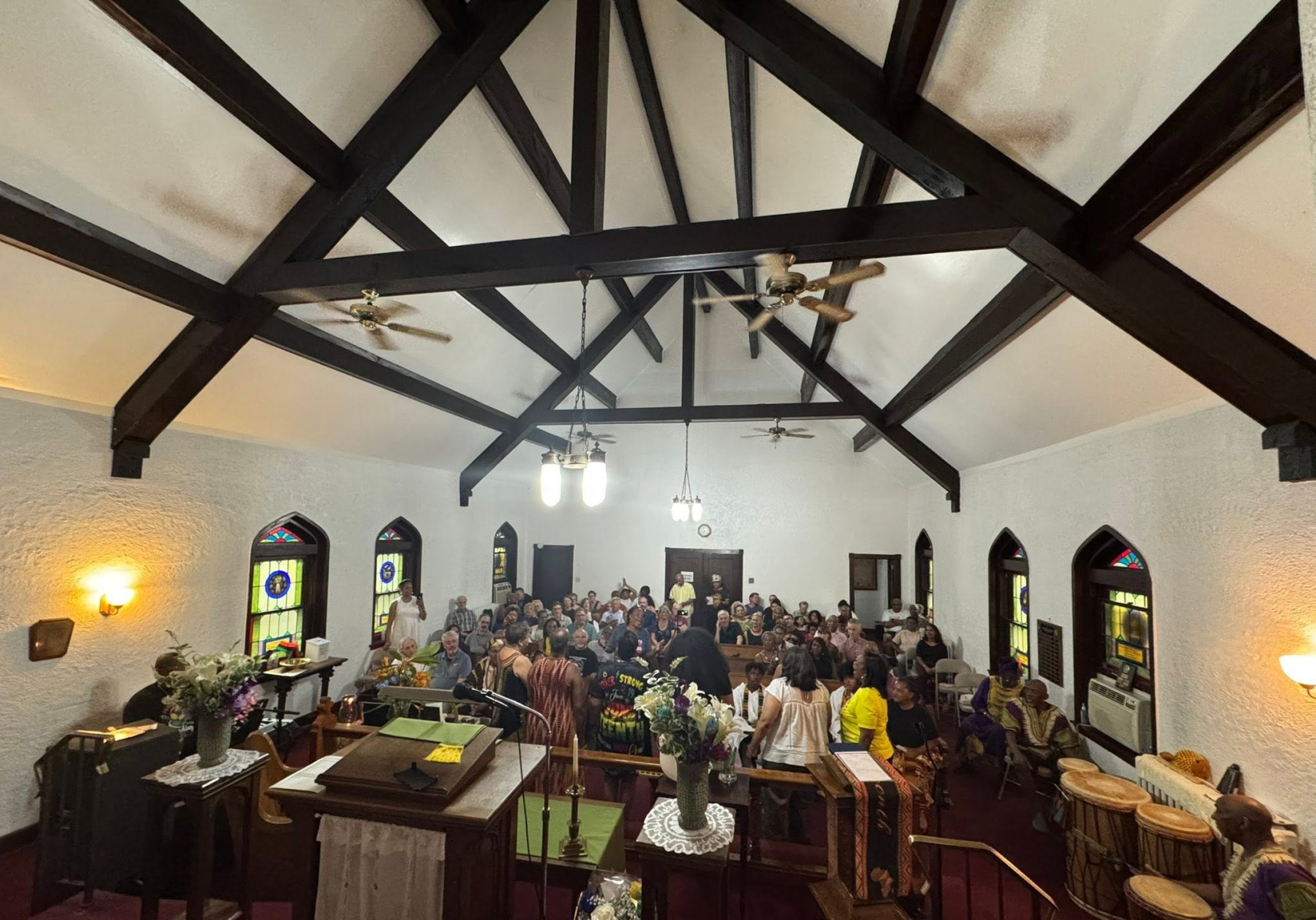
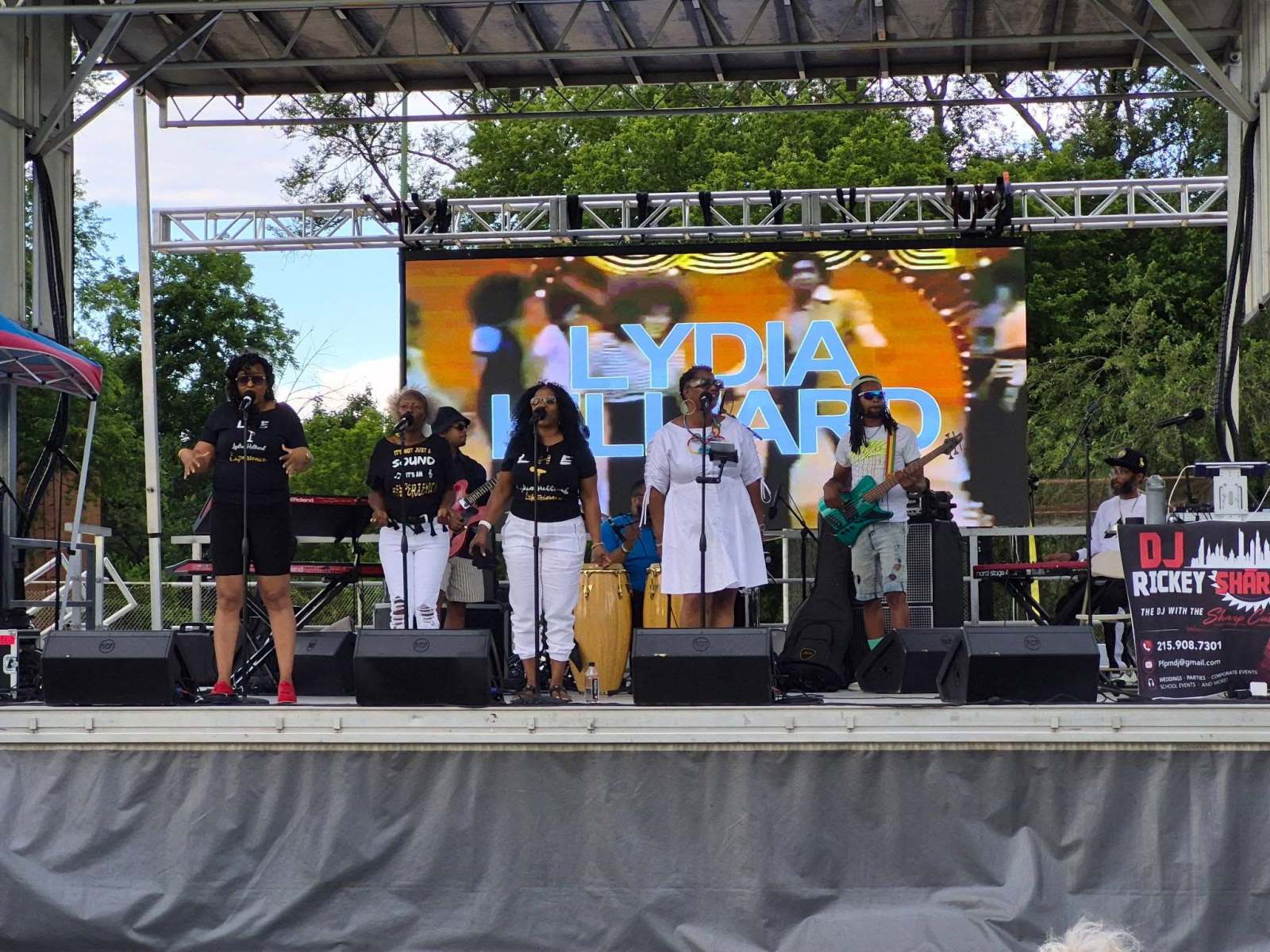
Across the county, we marked the day with a variety of events — the County hosted its 5th Annual Juneteenth Celebration at Rose Tree Park, featuring live music, performances, and family-friendly activities. In Swarthmore, the Wesley A.M.E. Church held a community observance rooted in reflection. Lansdowne raised the Juneteenth flag at Borough Hall and continued the celebration on Saturday at the Twentieth Century Club. Aldan and Upper Darby welcomed residents to community gatherings that blended celebration and observance.
Community members also gathered in Lansdowne for a screening of Kasi Lemmons’ 2019 biopic Harriet, honoring the life and legacy of Harriet Tubman — a courageous abolitionist and Underground Railroad leader whose actions helped free countless enslaved people.
Of course, Juneteenth was commemorated across the commonwealth and the nation, with countless events that continue to educate residents about a complex American history and deepen our understanding of the long struggle for freedom.
History of Juneteenth
On June 19, 1865, the American Civil War had been over for more than two months. Confederate General Robert E. Lee surrendered at Appomattox Court House on April 9, 1865, and remaining Confederate forces capitulated in the weeks that followed, bringing the rebellion to an end. Yet in Texas — the westernmost Confederate state, far from major Union troop presence — slavery continued in practice long after the Confederacy had collapsed.
That changed when Union Army General Gordon Granger arrived in Galveston and issued General Order No. 3, enforcing freedom for more than 250,000 enslaved Black Americans. Although the Emancipation Proclamation had declared freedom two and a half years earlier, it could not be implemented in areas still under Confederate control. The events of June 19 therefore marked the final, decisive enforcement of emancipation in the United States — a moment that has come to symbolize both freedom delayed and freedom realized.
After 1865, Juneteenth celebrations spread across Texas and later throughout the South as Black families, churches, and civic groups marked the day with prayer services, parades, readings of the Emancipation Proclamation, and community gatherings. During the Great Migration (where Black Americans moved north and west to support WWII mobilization and bolstered essential wartime production), these traditions moved with Black Americans to cities across the country, helping establish Juneteenth as a cultural touchstone well beyond Texas.
Although observance waned during the early 20th century — particularly during Jim Crow and the economic pressures of the Depression — the holiday experienced a renewed surge of recognition during the Civil Rights Movement of the 1950s and 1960s, when activists emphasized the importance of reclaiming and teaching the full history of emancipation. This revival laid the groundwork for the modern movement that Opal Lee would later help lead on a national scale.
Her efforts culminated in a nationwide petition and sustained public pressure that helped move Congress to act. In 2021, President Biden signed the legislation establishing Juneteenth as the nation’s 12th federal holiday and the first created since Martin Luther King Jr. Day in 1983. The recognition of this day underscores the importance of acknowledging the complexities of our past while renewing our collective commitment to equality and justice.
As we mark this anniversary, I want to share the words I offered during this year’s Juneteenth observances. These reflections reflect on how the work of freedom is never finished and how the progress that our black, brown, and white ancestors fought to secure — and subsequent generations have struggled to expand — must be safeguarded against forces that would pull us backward and nullify the spirit of Juneteenth.
Senator’s Remarks, Delivered June 19, 2026
Good afternoon, everyone. Thank you for inviting me to speak with you today.
I’m grateful to be here, with neighbors, friends, and community leaders to honor Juneteenth — a day that is joyful, powerful, and long overdue in earning its rightful place in what I think we can agree only recently became part of our ‘new national narrative.’
Juneteenth now stands alongside July 4th, Memorial Day, Veterans Day, and every day we set aside to reflect on our shared history. Because it is in these moments of reflection that we learn who we are as a nation.
We learn history in school, from our families, in our places of worship, and in the public spaces where we gather. For generations, truth has risen in these spaces — unevenly but steadily — helping us grow into a more honest nation. But today, that progress is being challenged by those who would rather pull us back into a past we have worked so hard to leave behind.
While we celebrate freedom and liberation today, there are those — in Washington and across this country — who are working to whitewash history. To sanitize it. To pretend the pain of slavery was exaggerated, the struggle for freedom overstated — and to claim that learning this history is divisive — AS IF understanding our past is more dangerous than the injustices that shaped it.
Some want to take this country backward — backward in rights, backward in representation, backward in truth.
And let’s be honest: When someone talks about “going back,” we have to ask: Back to when? The 1950s? The 1920s? Or maybe the early 1860s. Because we all know there are people — some holding real power — who look at the pre–Civil War era with a nostalgia that should alarm every one of us
We see it in gerrymandered districts designed to dilute Black and Brown voices. We see it in modern echoes of poll taxes — new barriers dressed up as “integrity measures” that make it harder to register, harder to vote, harder to be heard.
And we see it in the courts. Courts that have chipped away at the Voting Rights Act — a law meant to guarantee every American access to the ballot box and every community a fair chance to elect leaders who reflect them. Decisions like Louisiana v. Callais and the South Carolina redistricting case have made it easier to dilute Black political power and harder to challenge discrimination. That is not an accident — it is a strategy.
And the abuses continue. Just Wednesday, a federal appeals court ruled that the Federal Government — and he who shall not be named — can replace the slavery exhibit that they had removed from George Washington’s Executive Mansion site in Philadelphia.
The very place where nine enslaved people lived and labored under the first president, mere feet from the Liberty Bell and the Constitution Center. The court actually praised the administration’s new panels — that historians say whitewash Washington’s role in slavery and minimize the brutal treatment of enslaved persons — as “full of historical context” as if removing the truth were simply a matter of tasteful editing.
This is what racism looks like in 2026. Not always shouted. Not always violent. But wrapped in ‘legalese,’ dressed up as “historical interpretation,” and delivered by people who believe they alone get to decide which parts of our history are worth remembering.
And we cannot allow that. Because Juneteenth teaches us that truth delayed is still truth — and truth denied is still truth. And it will always find its way back into the light.
That is why we gather. That is why we speak plainly. That is why even on a day of celebration, we know the fight is not over. That is why we must refuse to let anyone — not a president, not a court, not a federal agency — decide that the full story of America is too inconvenient to tell.
Because telling the truth is how we honor the past — and how we build a future worthy of everyone who fought to make this day — Juneteenth — possible.